
Columbia National Wildlife Refuge
Lakes, marshes and basalt cliffs in the Drumheller Channels north of Othello, carved by Ice Age floods.
- County
- Grant
- Best seasons
- Spring, Summer, Fall
- Look for
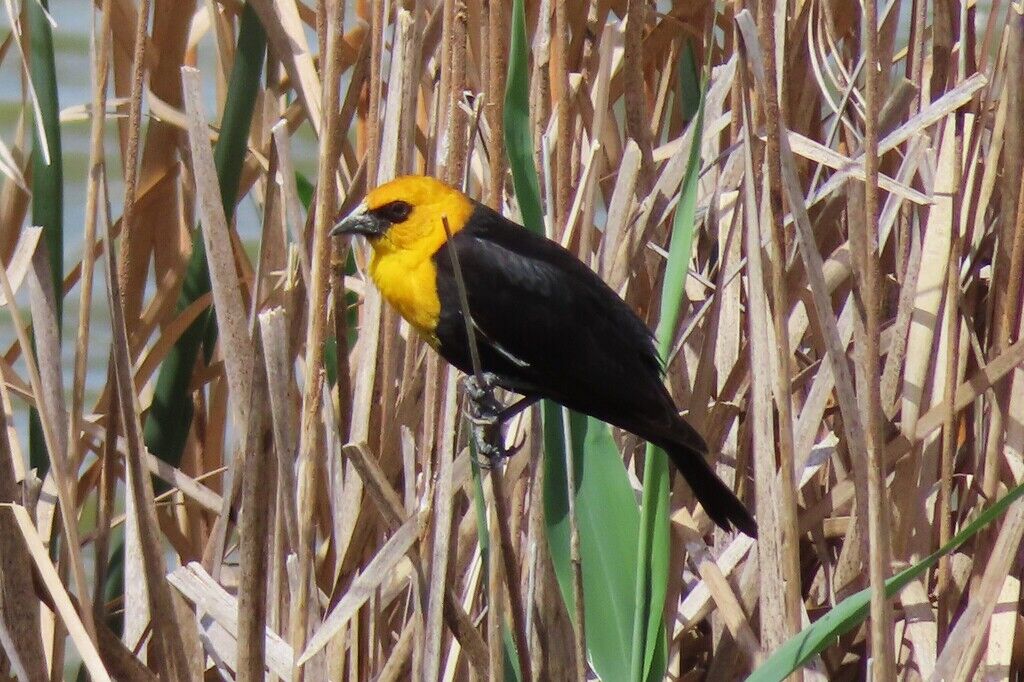
- Sandhill Crane, Yellow-headed Blackbird, Black-necked Stilt, American Avocet
- Managed by
- U.S. Fish and Wildlife Service
- Hours and fees
- Check the USFWS page before you go.
- Getting around
- The Marsh Loop is easy and flat and open from March through September. The Crab Creek and Rimrock trails are harder, with steep or loose sections. The refuge posts no accessibility details.
- Facilities
- Open sunrise to sunset, except during hunting seasons. The refuge doesn't post fees or restroom details, so check with it before you go. No camping or overnight parking. Leashed dogs allowed.
Set aside in 1944, the refuge covers nearly 30,000 acres of sagebrush, lakes and cliffs, including part of the Drumheller Channels National Natural Landmark. Most of its wetlands are fed by irrigation water seeping from the Columbia Basin Project.
Sandhill Cranes gather in the area by the thousands in late winter and early spring, and have done so since the late 1980s. Later in spring, the marshes fill with stilts, avocets and Yellow-headed Blackbirds. Summers are hot, so go early.